

Contents
Mexico’s proposed steep tariff increase on auto imports and medicines is raising alarm among Indian exporters, including major auto and pharma companies. The move threatens to disrupt trade, increase costs, and impact growth. This article provides a simple, clear explanation of what’s happening, why it matters, and how Indian businesses are reacting to this significant change.
Mexico’s New Tariff Plan: Threatening Indian Exports
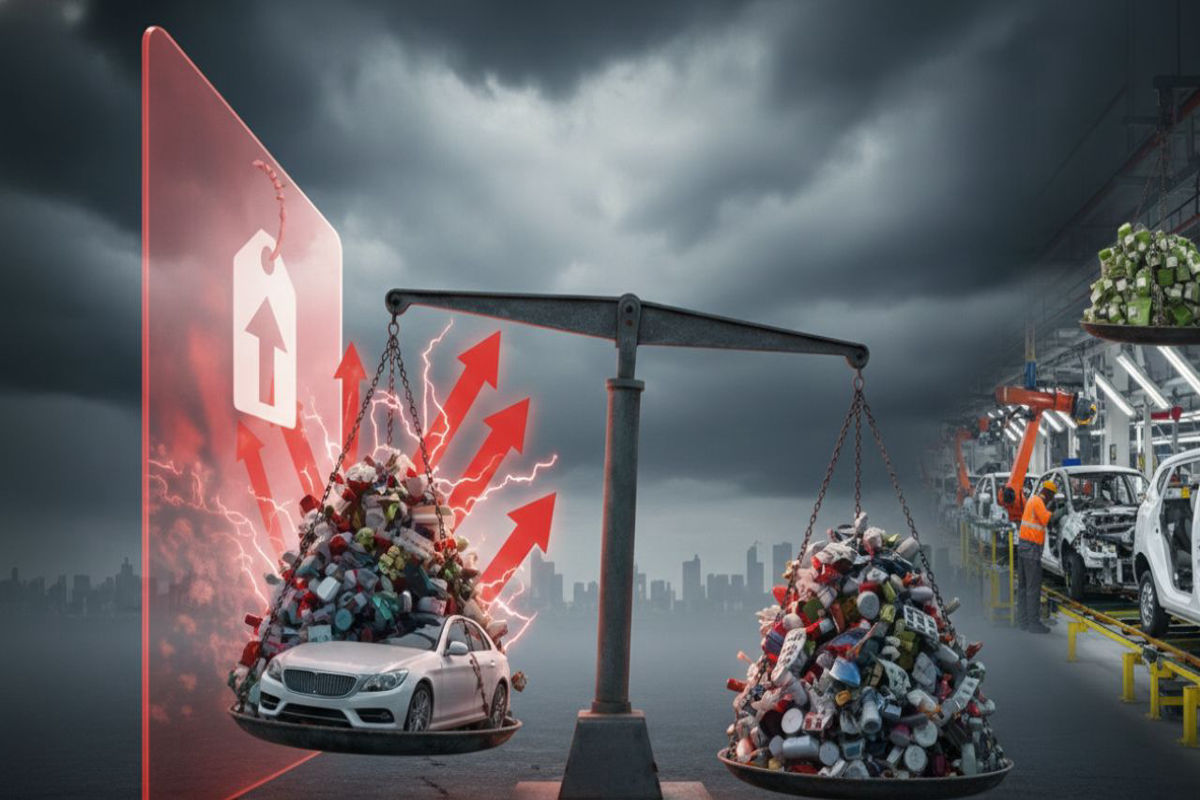
Recently, Mexico announced plans to significantly increase tariffs on imported passenger vehicles, auto parts, and medicines. The new tariffs, expected to come into effect from January 2026, will raise import duties dramatically, with some categories seeing tariffs jump from 20-35% to as high as 50%. For example, tariffs on passenger vehicles could rise from 20% to 50%, and on two-wheelers from 15% to 35%.
This move is viewed as a strategic effort by Mexico to promote local manufacturing and reduce reliance on imports. However, these proposed tariff hikes are causing concern among Indian exporters who rely heavily on the Mexican market. Mexico is an important destination for Indian auto exports, accounting for about 12% of India’s total car exports, and is also a major market for Indian auto components and medicines.
Why Are Indian Auto Companies Concerned?
India’s auto industry, led by companies like Maruti Suzuki, Tata Motors, and Hyundai, exports nearly 100,000 vehicles annually to Mexico. These exports make Mexico the third-largest market for Indian cars outside South Africa and Saudi Arabia. The increased tariffs threaten to make Indian vehicles more expensive for Mexican consumers, potentially reducing sales and profit margins.
Auto parts manufacturers are also worried because Mexico is a key hub for auto parts used in North America. Indian firms produce a wide range of auto components, valued at over $800 million last year, and tariffs could lead to higher costs and reduced competitiveness.
Impact on India’s Exporters
The steep tariffs are expected to raise costs for Indian auto manufacturers, possibly forcing them to raise prices or cut exports. This would impact India’s auto export growth, which has been strong in recent years despite global uncertainties. Many industry leaders fear that these tariffs could derail India’s efforts to strengthen its global auto industry footprint.
Pharma Industry Also Worries
The pharmaceutical sector, which exported around $338 million worth of medicines to Mexico last year, is also concerned. Currently, there are no tariffs on Indian medicines, and Indian drug makers have found success in providing low-cost alternatives to high-priced medicines sold by multinational corporations in Mexico. However, the new tariff plan threatens to change that scenario.
Pharma companies fear that increased tariffs could raise costs and decrease their market share in Mexico. This could slow down their plans to expand and invest in the country, which has been a promising emerging market for Indian medicines.
Why This Matters
Mexico is a growing market for Indian exports, especially in auto and pharma sectors. The country imports a large amount of vehicles, auto parts, and medicines, making it a vital part of India’s export landscape. The proposed tariffs could make Indian products less competitive, leading to a decline in exports and profits.
How Are Indian Companies Reacting?
Many Indian firms are closely watching the situation. Auto industry leaders like the Society of Indian Automobile Manufacturers (SIAM) and auto component manufacturers Association (ACMA) have already raised concerns with government officials. They are seeking measures to counteract the tariff hike, such as trade negotiations and exploring alternative markets.
Pharma companies are also exploring new markets and looking at ways to manage costs to stay competitive in Mexico. Several Indian drug makers have operations in Mexico, and they are keen on maintaining their presence without increased tariffs.
What Can Indian Businesses Do?
Indian companies may need to adapt quickly by exploring alternative export markets, increasing local manufacturing in Mexico, or negotiating trade agreements to reduce tariff impacts. Strengthening supply chain resilience and investing in healthcare innovation can also help mitigate risks.
Conclusion
Mexico’s proposed steep tariff increases threaten to disrupt Indian auto and pharma exports, potentially impacting India’s growth in these sectors. As the situation unfolds, Indian firms and policymakers must collaborate to find solutions that safeguard long-term interests. This is a critical moment to explore diversification, innovation, and strategic partnerships to maintain India’s competitive edge in Mexico and beyond.