

Contents
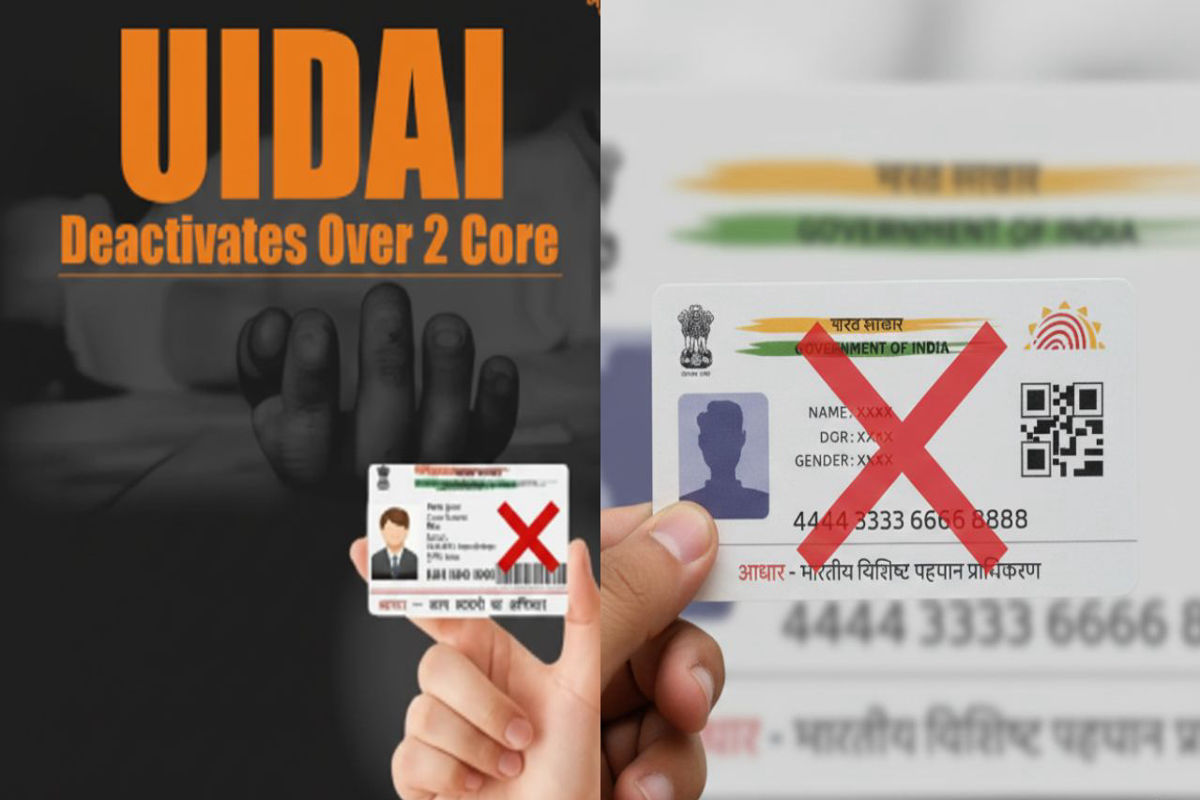
UIDAI has started one of its biggest Aadhaar clean-up drives by disabling over 2 crore Aadhaar numbers that belong to deceased individuals across India. The goal is to protect citizens from identity misuse and keep welfare schemes safe and transparent.
What UIDAI Has Done and Why It Matters
The Unique Identification Authority of India (UIDAI) has deactivated more than 2 crore Aadhaar numbers that were linked to people who have died, using verified death data from multiple government sources. This large-scale clean-up is meant to stop the misuse of Aadhaar for fake subsidies, pensions, or other benefits in the name of deceased persons.
Officials have clarified that an Aadhaar number is never reassigned to anyone else, so deactivating it after death is necessary to keep the national identity system accurate and secure. The exercise started in 2024 and was scaled up in 2025 to meet a target of about 2 crore deactivations by the end of the year.
How UIDAI Identifies Aadhaar Numbers of Deceased Persons
To find Aadhaar numbers of deceased individuals, UIDAI is matching its database with:
-
Death registration data from the Registrar General of India and state governments
-
Records from Union Territories, welfare schemes, and central ministries
-
Inputs from programs like the Public Distribution System and the National Social Assistance Programme
The authority says it uses multiple data streams and layered verification checks before deactivating any Aadhaar number. This approach is intended to reduce errors that could affect living people whose records might be wrong due to gaps in death registration systems in some states.
How Families Can Report a Death on the myAadhaar Portal
UIDAI has launched an online feature called “Reporting of death of a family member” on the myAadhaar portal to make it easier for families to get Aadhaar deactivated after a death. This service is currently active for states and Union Territories that use the integrated Civil Registration System, with others to be added gradually.
Basic steps for families are:
-
Get the official death certificate from the local authority
-
Log in to the myAadhaar portal as a family member and verify your identity
-
Enter the deceased person’s Aadhaar number, Death Registration Number, and basic details
-
Submit the request and wait while UIDAI verifies the information before deactivation
UIDAI and the Ministry of Electronics & IT are encouraging citizens to use this online method after obtaining the death certificate so that the database stays clean and fraud-free.
What If an Aadhaar Is Deactivated by Mistake?
UIDAI recognises that errors can happen when death records are incomplete, mismatched, or wrongly tagged, so it has issued a formal procedure to reactivate Aadhaar numbers that were incorrectly deactivated as “deceased.” Any living individual whose Aadhaar has been wrongly disabled can apply for reactivation through UIDAI’s regional or state offices.
According to the UIDAI circular, the person must:
-
Fill a prescribed application for reactivation and submit it to the nearest UIDAI Regional or State Office
-
Visit a designated Aadhaar centre to provide full biometric data (face, iris, and fingerprints) under UIDAI supervision, usually within two weeks of the application
-
Wait for UIDAI to examine the case and communicate the decision, typically within 30 days of biometric submission
If it is confirmed that the person is alive and the Aadhaar was wrongly marked as belonging to a deceased individual, UIDAI will reactivate the number and inform the Registrar of Births and Deaths and other relevant authorities.
Why This Clean-Up Is Important for Citizens
Aadhaar is linked to thousands of government schemes and services, including subsidies, pensions, and financial benefits, so keeping the database accurate helps ensure that funds go only to eligible, living beneficiaries. Deactivating Aadhaar numbers of deceased persons also reduces the risk of fraud such as fake withdrawals, false claims, or misuse of identity in banking and telecom services.
For families, reporting a death on the myAadhaar portal is a simple step that supports the integrity of the system and protects their loved one’s identity from being misused. For individuals whose Aadhaar may have been wrongly disabled, the new reactivation rules provide a clear, rights-based process to restore access to important services and correct official records.